
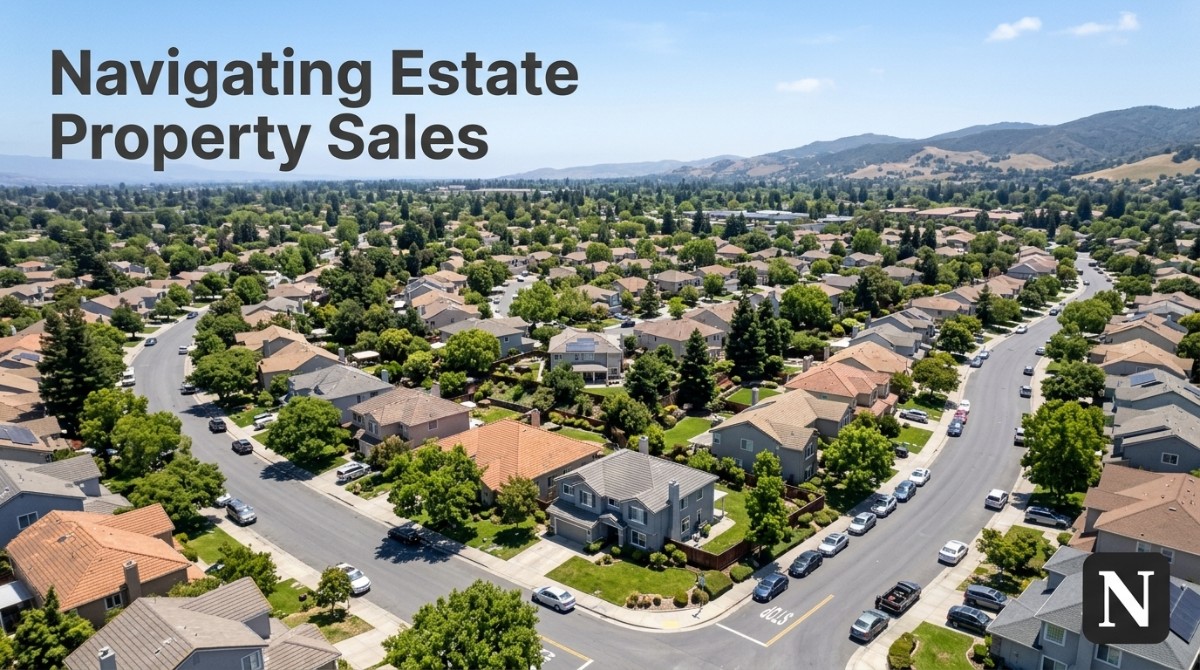
The Successor Trustee Guide to Selling Estate Properties
Table of Contents
Navigating the complex landscape of trust administration requires a clear operational framework. The following sections detail the sequential obligations and market strategies necessary for a successful fiduciary transaction. Each phase is designed to mitigate risk and accelerate the eventual property absorption rate.
- The First 30 Days: Securing the Asset
- Months Two and Three: Resolving Disputes
- Strategic Mechanics of Selling Estate Properties
- Tax Strategies and Legal Disclosures
- Analyzing Trust Property Sales Metrics
- Preventing Bureaucratic Delays
- Frequently Asked Questions
We observe a consistent pattern among individuals appointed as successor trustees in Santa Clara County. When tasked with selling estate properties, trustees often face immediate logistical hurdles that obscure optimal market timing. The South Bay real estate market demands precision, as inventory constraints and high buyer expectations leave little room for error. This report outlines the first 90 days of trustee responsibilities to ensure financial equity is protected and the property is positioned for maximum return.
The First 30 Days: Securing the Asset
The immediate aftermath of assuming trustee duties requires a rapid pivot to active asset management. A successor trustee is legally responsible for securing the physical property, changing locks, and preventing unauthorized access. Maintaining the landscaping and continuing utility payments are critical steps to preserve the baseline value of the home. Any lapse in property maintenance directly impacts future valuations, as Silicon Valley buyers heavily discount assets displaying deferred maintenance.
Simultaneous to physical security, the trustee must execute a series of formal notifications. Financial institutions, government entities, and all named beneficiaries require immediate documentation regarding the change in control. Establishing a dedicated trust bank account is mandatory to isolate estate funds from personal capital. This clear financial boundary prevents commingling of assets and ensures all property-related expenses are transparently tracked.
Months Two and Three: Resolving Disputes
The transition into the second and third months involves settling legal and financial encumbrances before a listing agreement can be executed. Title clearing is paramount, as unresolved liens or delayed trust recordings will halt a transaction during escrow. Trustees must work with legal counsel to file necessary affidavits of death and properly record the successor trustee documentation with the county recorder. Proactive title management eliminates the bureaucratic bottlenecks that frequently derail trust sales in the final days of a transaction.
Beneficiary disagreements frequently emerge during this phase, often centering on listing price strategies or the scope of pre-market renovations. Siblings may hold diverging views on whether to liquidate the asset immediately or invest estate capital into property improvements. We rely on data-backed comparative market analyses to ground these discussions, removing subjective opinions from the pricing model. Presenting empirical data on local sales metrics helps unify beneficiaries around a strictly financial objective.
Strategic Mechanics of Selling Estate Properties
The actual preparation for selling estate properties in the South Bay requires an analytical approach to capital improvements. Rather than liquidating the home in its original state, trustees must evaluate the return on investment for strategic updates. We measure baseline requirements to capture the premium pricing associated with tech-driven wealth in our region using specific empirical comparisons. Trustees can review our strategies for maximizing return on investment in South Bay homes to understand which upgrades yield the highest financial leverage.
- Original Condition Listings: Typically endure longer days on market and experience notable price reductions due to deferred maintenance.
- Cosmetically Updated Properties: Capture immediate RSU liquidity from buyers demanding turnkey spaces, yielding higher baseline offers.
- Fully Staged Assets: Consistently generate multiple-offer scenarios that drive final closing valuations above the initial neighborhood comparables.
Tax Strategies and Legal Disclosures
Trust sales carry unique disclosure parameters under California real estate law. Successor trustees who have not occupied the property are typically exempt from completing the standard Transfer Disclosure Statement. However, this exemption does not absolve the estate from disclosing known material facts that affect the value of the property. Supplying comprehensive third-party inspection reports upfront mitigates buyer hesitation and prevents price renegotiations during the contingency period.
The financial mechanics of inheriting and selling real estate are heavily influenced by local and state tax codes. Trustees must coordinate with tax professionals to understand the step-up in cost basis, which resets the property value to the date of death and significantly alters capital gains exposure. Furthermore, navigating property tax reassessments is a critical component of the estate timeline. We strongly advise reviewing our strategic analysis of Proposition 19 property tax transfers to determine if any beneficiaries plan to retain the asset.
Analyzing Trust Property Sales Metrics
Evaluating the performance of trust properties in the South Bay requires a close examination of historical sales metrics. Homes that undergo strategic pre-market preparation consistently outpace those listed strictly as-is. Buyers utilizing RSU liquidity to fund down payments demand turnkey properties, penalizing estates that fail to modernize core living spaces. Therefore, an upfront investment in renovation directly correlates with reduced days on market and escalated closing valuations.
Furthermore, pricing strategy must align with current neighborhood absorption rates rather than outdated familial expectations. Trustees often face pressure from beneficiaries to overprice the asset based on superficial market headlines. We counter this by analyzing hyper-local comparable sales, ensuring the listing price accurately reflects the micro-economic conditions of the specific zip code. This analytical precision prevents the property from languishing on the market and accumulating unnecessary holding costs.
The coordination of professional staging is another non-negotiable component of maximizing an estate portfolio. Staging serves as a critical marketing tool that highlights the structural potential of the home while minimizing its dated architectural features. The empirical data strongly supports this investment, as staged homes routinely generate higher engagement during initial open house events. Trustees must view staging not as an optional expense, but as a necessary mechanism for securing premium buyer interest.
Preventing Bureaucratic Delays
Missteps during the initial trustee period predictably stall market entry by several months. Incomplete tax clearances, failure to locate original trust instruments, and delayed death certificates represent the most common administrative hurdles. Furthermore, failing to coordinate early property cleanouts delays necessary contractor bids and subsequent renovation timelines. Establishing a rigid project schedule in the first two weeks prevents these compounding delays.
Trustees navigating these complex liquidations frequently benefit from a structured advisory partnership. Executing a successful transaction requires managing specialized vendors, navigating sibling negotiations, and aligning the property with current market demand. Our methodology ensures that the fiduciary duties of the trustee are supported by comprehensive market analytics. Understanding our specialized approach to managing South Bay estate properties clarifies the procedural steps required for a seamless transaction.
Market timing remains a critical variable, even when dealing with the unpredictable timeline of estate administration. Local inventory constraints often dictate the optimal window for listing a fully prepared property. Releasing a trust sale into a low-inventory market maximizes multiple-offer scenarios and drives final closing prices upward. We continuously monitor these local absorption rates in our comprehensive Silicon Valley housing market updates to advise trustees on precise listing dates.
The selection of an escrow and title team experienced in trust administration is vital for a seamless closing sequence. Complex trust documents often require specialized underwriting to verify the legal authority of the trustee before funds can be disbursed. Engaging title officers early in the 90-day window ensures that all beneficiary identities and trust provisions are verified well ahead of closing. This preemptive administrative work eliminates the threat of escrow delays once a buyer is secured.
The responsibilities assumed by a successor trustee carry significant financial weight for the entire beneficiary class. Adhering strictly to a data-driven timeline during the first 90 days prevents asset depreciation and legal complications. By focusing entirely on strategic market preparation and efficient administrative execution, trustees can maximize the estate valuation. For clear metrics on how efficient preparation yields swift closings, examining historical trust sales in San Jose provides a definitive case study.
Frequently Asked Questions
What are the duties of a successor trustee?
A successor trustee is tasked with securing the physical property, managing ongoing maintenance, and preparing the asset for market. They must also notify all beneficiaries and government entities while preventing any lapse in insurance coverage or utility services. The ultimate goal is to protect the equity of the estate until a highly leveraged sale can be executed.
How long does it take to prepare a trust property?
Administrative tasks, such as recording the affidavit of death and securing title clearances, typically require a minimum of thirty to sixty days. The physical preparation timeline varies based on the level of deferred maintenance and the scope of chosen capital improvements. In most Silicon Valley scenarios, a property can be optimally positioned on the market within ninety days if the trustee follows a strict project schedule.
Do trust properties require standard disclosures?
California law provides specific exemptions for successor trustees who have never occupied the property in question. They are generally exempt from providing a standard Transfer Disclosure Statement, reducing the estate liability regarding unknown defects. However, they remain legally obligated to disclose any known material facts and should rely on professional inspections to supply buyers with objective data.
How do beneficiary disputes affect estate sales?
Disagreements over property valuation or renovation budgets are the most common source of delays in trust administration. When beneficiaries operate on differing timelines or financial assumptions, the listing process can stall indefinitely. Utilizing objective, data-driven comparative market analyses helps realign beneficiaries by shifting the focus from personal preferences to empirical market realities.
Posted on November 10, 2026 by The Norcia Team in Uncategorized
← Back to Blog